I thought about how much fun I would have when I was young and me and my sisters would go get free magazines from the library. We had so much fun drawing mustaches and unibrows on every super model on the pages. I also would make collages for hours on end-so I bought some acrylic markers and tried to have fun like a kid, and see what the book brought out.
This is Not Fashion: Streetwear Past, Present and Future.
This is one of my favorites I did. I think I like it because these designs remind me of the individual. Maybe it’s their vibes or the look in their eyes that made me pick these shapes- but I feel that it makes sense. Sharp on one side, and smooth rounded shapes for the other. We assign personality traits to people based on their physical features, and I wonder how close I am to who they are.
My fiance had a pet crow when he was a kid. It had a hurt wing and he helped it recover. Now I always notice crows. I just really like this photo because it has a somber quality and it reminds me of him a lot. This kid skates and is obviously very cool.
This was one of my very first attempts with the project and I regret adding too much silver. I could’ve done less, but I do feel like the silver makes a statement.
The design was made by the artist on the left, and my addition is on the right. I wanted to mimic his style and continue the design with the model on the right. It was just blue and very plain.
Very punk. I thought red lines was the way to go. My favorite part I added was the red devil horns.
This was surprisingly hard. I didn’t sketch it out first and used acrylic to almost paint this on. I added brick and I wanted it to feel like the tunnels I would drive in when I commuted to Seattle. Graffiti is a big part of a city. It is a subculture and the expression of the streets.
My addition was the hairy armpit and bush. I think it was an obvious artistic choice on many levels. But a great piece of art- so I didn’t add too much.
My one regret was including “Misandry”. That was an artistic mistake I think. But I do love the white lettering.
I do think this book has a special quality that does elicit creativity, but really anything technically works, and any coffee table book is ideal because of the thick pages. I think the fine tip acrylic markers are the ideal choice for a project like this. I got a bunch of thicker ones and barely used them.
I think this project is fun, and its worth trying out if you feel creatively blocked.
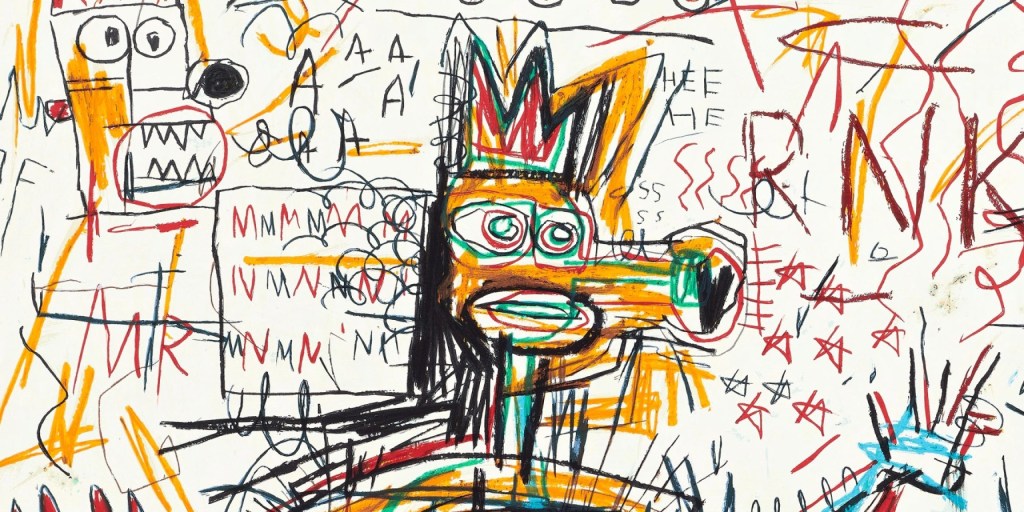
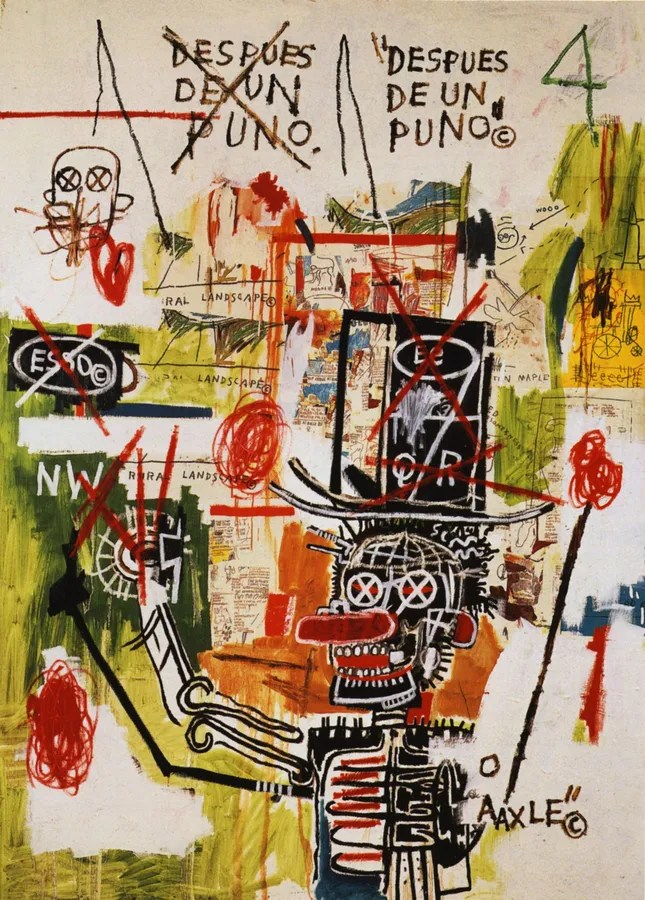
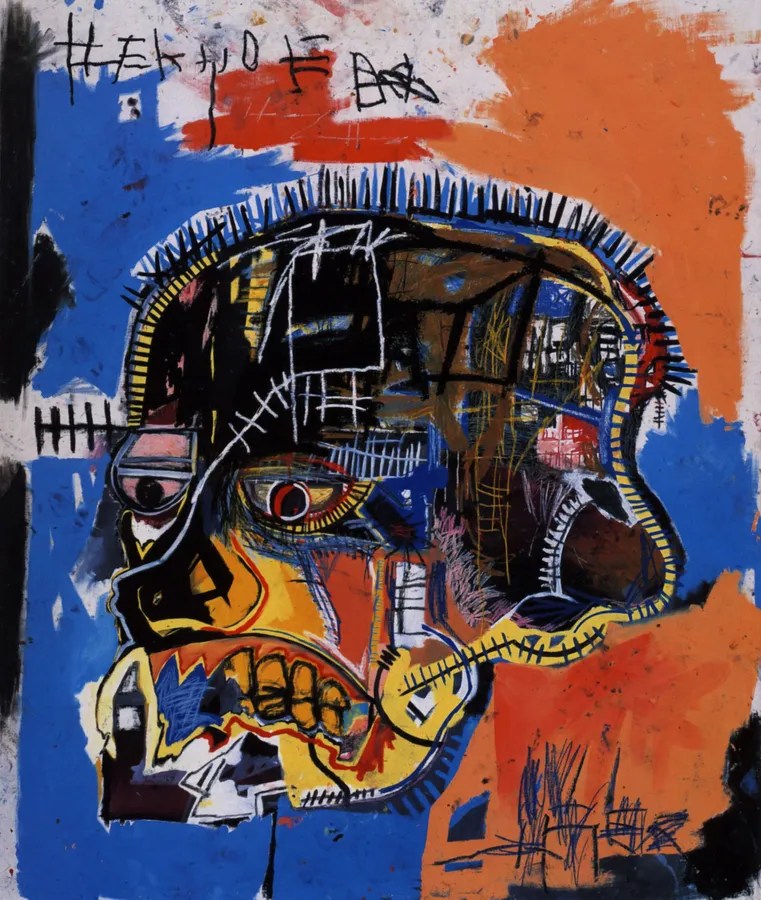
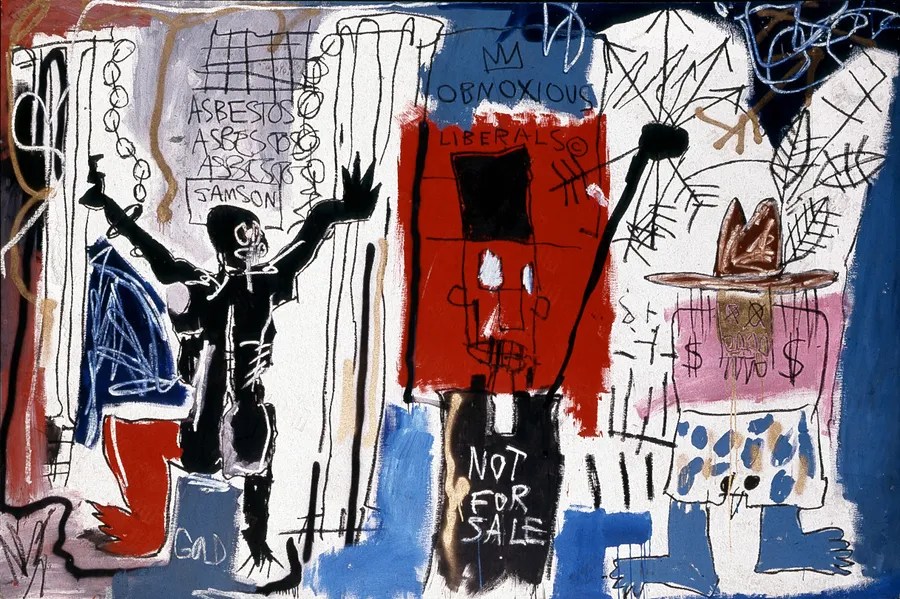
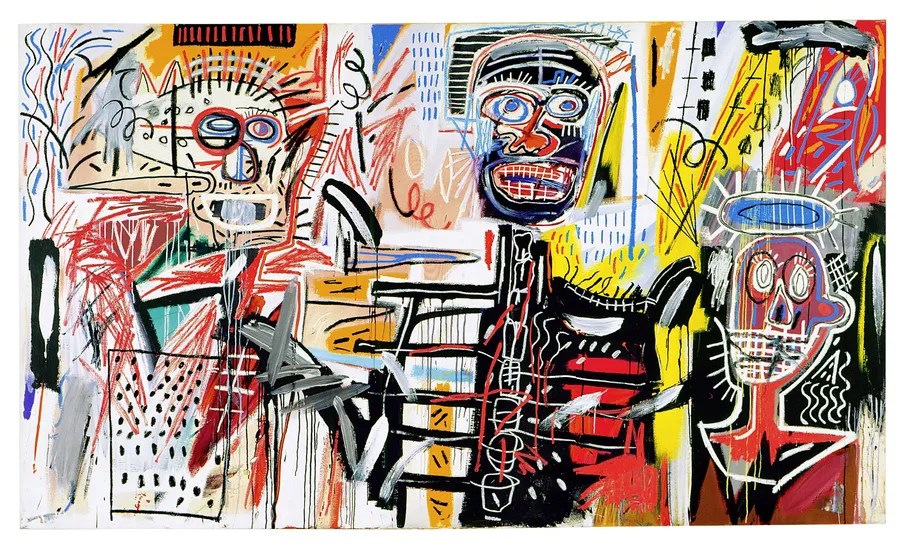
I went to the MOCO Museum in Amsterdam this October and got to see my first Basquiat in person. The series included about five paintings. Seeing Basquiat up close is the only way you should see his work. You don’t really get the experience through a phone screen; it’s like trying to hear every note in jazz while wearing a pair of Delta headphones.
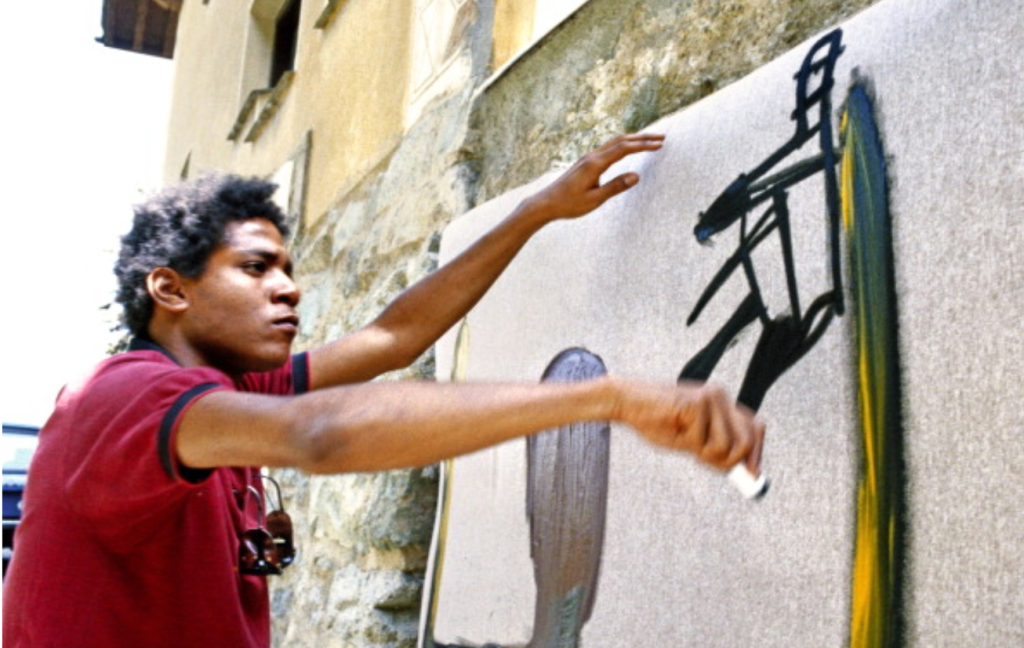
What makes it so much more powerful in person is that you can truly see the pressure of the lines carved into the canvas—the frantic scribbling, as if his heart might stop if he doesn’t keep drawing. You can actually feel his intensity and energy through the art, which leaves you feeling genuinely stressed, maybe even anxious. That emotional weight is fully captured within the canvases themselves.
You may hate it—my friend did—not enjoying the discomfort of being in a room filled only with Basquiat. My very first thought when I saw them was, “Oh… yeah, he’s on drugs.”
Maybe not a revolutionary conclusion but after doing my research, I was definitely right.
There are several common factors that are discussed when it comes to Jean-Michel and his unique art style.
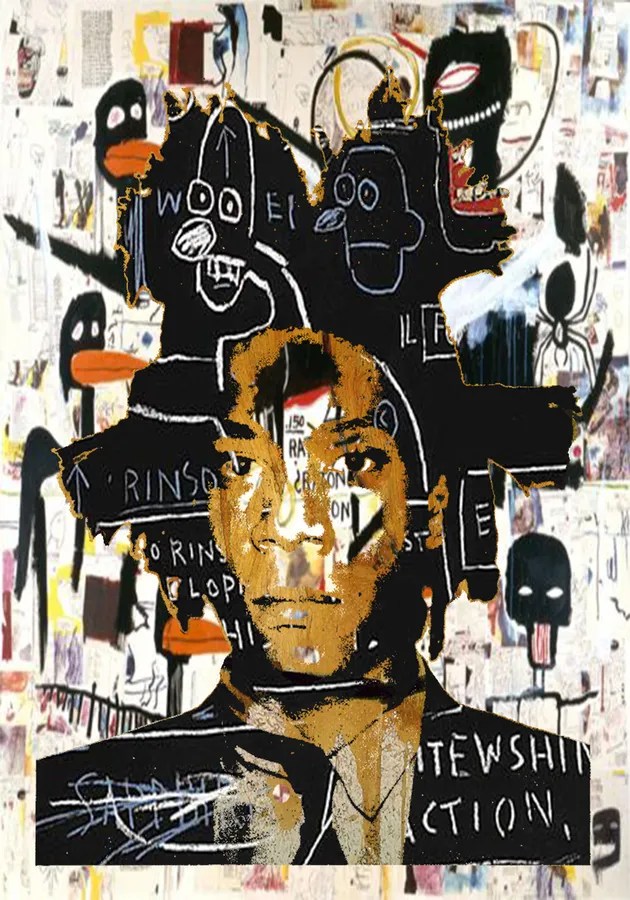
Jean-Michel grew up culturally rich, with a Haitian father and a Puerto Rican mother, and spoke English, Spanish, and French frequently. His parents divorced when he was 7. There was physical abuse from his father but he had fond memories of his mother, as she supported his art and his education. She famously enrolled him as a Junior Member of the Brooklyn Museum when he was six and gave him books like Gray’s Anatomy, which can later be seen as a major influence on some of his imagery. His parents’ divorce, and him getting in a car accident and having surgery at an early age, constant discrimination, and eventually his mother being put into a mental hospital for depression were major parts of his childhood, and the situation became untenable enough for him to choose to become homeless at 15—living in Washington Square Park—or couch-surfing where he could. He chose freedom and found his way to survive as a starving artist. He painted graffiti with Al Diaz around 1978 to 1980, and they produced the “SAMO” project, which was a big part of his break as an artist. It didn’t hurt that they would do their graffiti pieces near well-known art dealers and galleries in NY.
For some reason, it is rare to find any art critics speaking about his drug use in relation to his art. I personally believe that art and drugs were both coping mechanisms that became entangled. When one is entrenched in emotions and pain, an artist finds a way to express it and show their perspective on the world. With how Jean-Michel conducted himself, he denied societal rules and rules set by the art world. His drug use could also have propelled him to unlock his personal art style for several reasons. The substances he was using were generally stimulants or psychedelics, leading to increased performance in terms of artistic output. Also, from the intensity of his brush strokes, it was clear to me what he was feeling. Intensity is often mentioned in regard to Basquiat, but his intensity and his drug use were intrinsically entwined.
I would never state that Jean-Michel Basquiat was not talented in any way, but what I will venture to say is that this should be factored into the equation of his work.
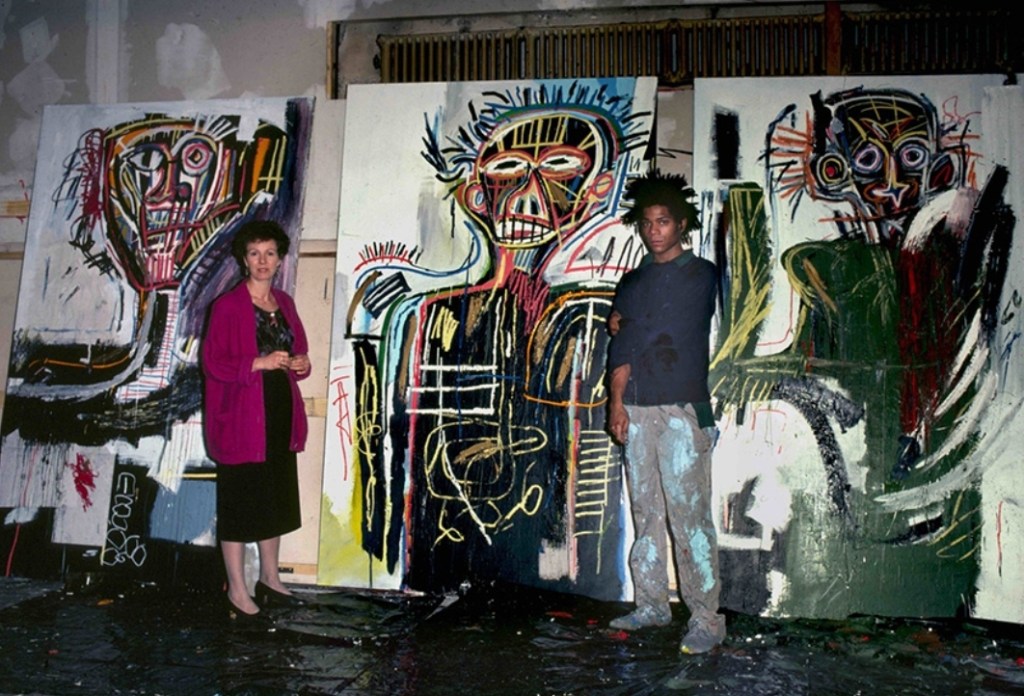
Annina Nosei found him and decided to sponsor him as an artist. His living situation wasn’t very good, so she allowed him to live at her studio for a while he created his his first collection, until he sold every piece at his first show. Then he was able to graduate from starving artist to tortured genius: money flowing and the notoriety he apparently craved. He was a huge hit in the art scene and created new collections at record speeds.
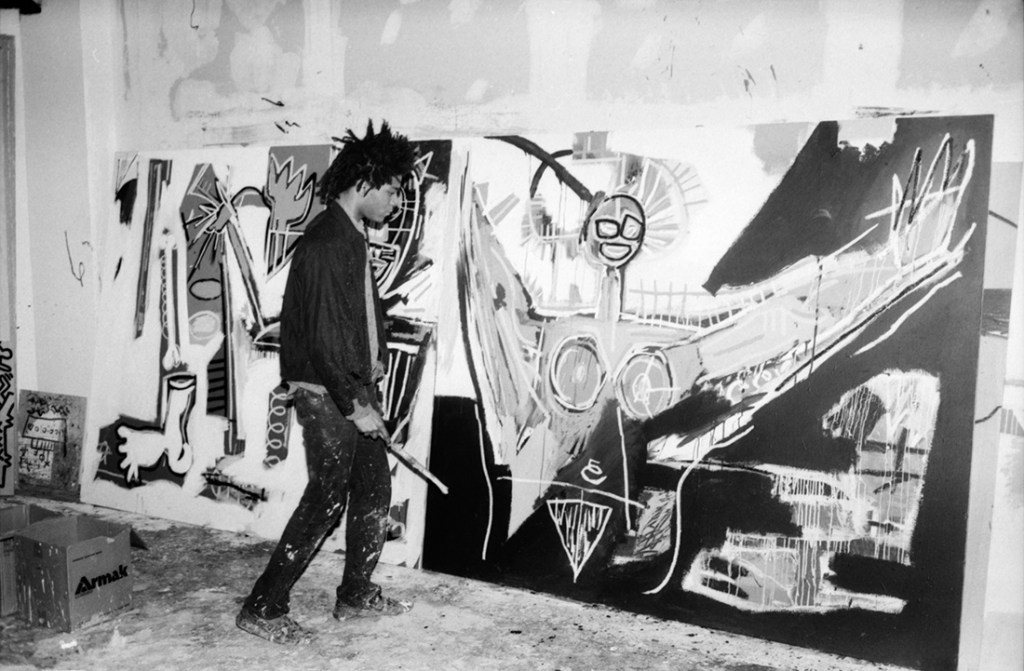
He was reported to play his music incredibly loud in his studio and you could hear it in the gallery, disrupting business. But Annina allowed it. He would play loud rap music and have all his canvases laid out on the ground. He would work on multiple pieces at the same time, frantically running from one side of the studio to the next and even walking on his art. His shoe prints became a defining characteristic of identification.
Now, I would say that there are some more realistic portraits that Jean-Michel created, with touches of his usual style. That could be a dichotomy between his sober mind and his manic era. Drugs in high doses over time can also create psychological ramifications like irritability, emotional instability, paranoia, dopamine burnout, and people reported him having incorrect memories. He became addicted to heroin, which led to his early demise. I wonder if there is any possibility of bipolar disorder, or if it was only drug-induced mental health issues.
Burning Out
Anthony Haden-Guest interviewed America’s foremost black artist in the last stages of his blazing trail, as he careened between art dealers and drug dealers
My theory is that Jean-Michel used stimulants to amass a huge body of work as quickly as he could, and I also think he used drugs to unlock his creativity in different ways. Beyond performance-enhancing stimulants being useful for manic creation, they likely supported his personal artistic expression as well. I understand how addictive it can become to feel your abilities unlocked and to feel yourself expressing yourself easier. As his fame increased—he enjoyed partying with celebrities during the golden age of the 1980s club scene.
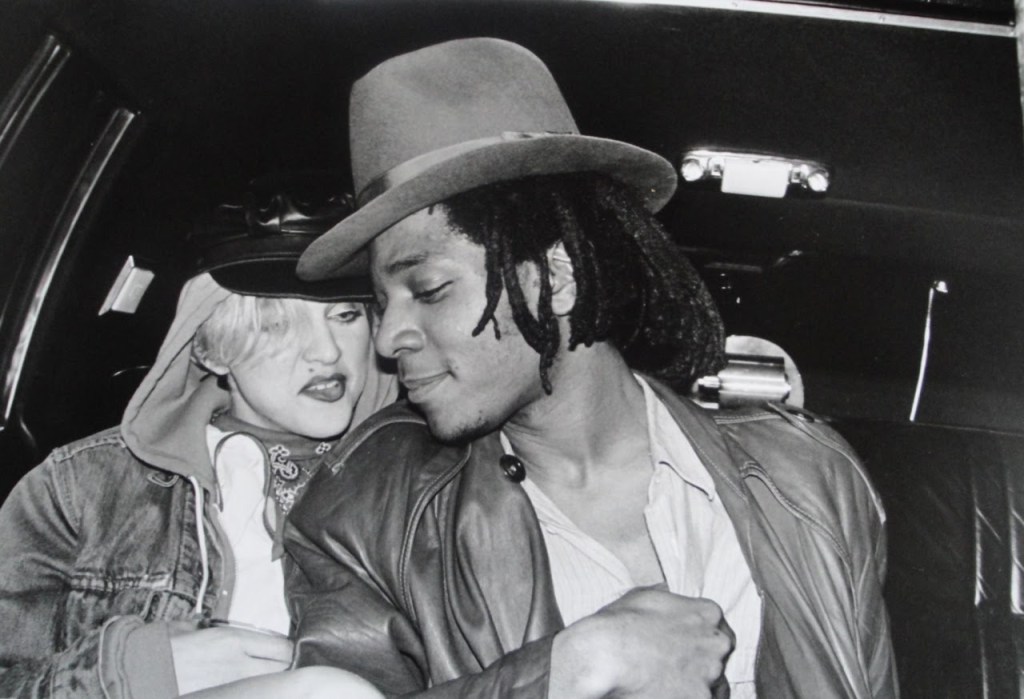
Jean Michel had a brief romance with Madonna
“I would often wake up in the middle of the night and find him not in the bed next to me, but up, intent on painting, at 4 a.m., his face an inch from the canvas, in a trance. I would stand in disbelief watching him get to work whenever something excited him.” – Madonna
He created over 600 paintings and 1,500 drawings and sculptures before his untimely death. That is from the consistent pursuit of expression of the darkness or tension of his perspective.
In my opinion, you cannot truly experience his work from a print. You must see an original because it shows the texture of his mania. The pressure and tension of his feelings. A print cannot show you the emotion he infused into the canvas.
Even if you don’t like his art, art is expression of experience or emotion. Life and feelings are complex, and we shouldn’t shy away from ugly-the worst thing would be art that stirs no thought or feelings. He is famous because he expressed the ugly and made a viewer truly feel something.